

Living in Orleans, Ottawa
A bilingual, family-friendly community on the east end with good schools, green space, and some of the best value for money in the city.
What Orleans Is Actually Like
Orleans gets a bit of a reputation as "suburbia" from people who have never spent time there, and they are missing the point. It is one of Ottawa's most established communities, with mature trees, improving transit, and a genuine sense of neighbourhood that newer suburbs are still working to build.
The east end has grown up considerably. You will find a mix of young families, long-time residents who raised their kids here, and a growing number of people priced out of the core who have discovered they do not miss the commute as much as they thought they would.
The community is genuinely bilingual in a way most of Ottawa is not. Roughly a third of residents speak French at home, French immersion options are plentiful, and you will hear both languages at the farmers' market and at hockey arenas. For families who want their kids raised with strong French, Orleans is one of the best places in the city to do it.
Housing here still offers real value compared to the west end or the inner city. You can get a detached home with a proper backyard for a price that would get you a townhouse in Westboro. That trade-off, space and affordability versus walkability, is the central question anyone considering Orleans needs to answer for themselves.
The thing most guides get wrong is treating Orleans as one place. It is ten distinct communities built across five decades, and the difference between them is significant enough that a buyer in Trailsedge and a buyer in Convent Glen are effectively shopping two different markets.
Orleans at a Glance
The Ten Orleans Communities
Orleans is not one uniform neighbourhood. It is a collection of distinct communities, each with its own character, age of housing stock and price point. Choose the one that fits and browse its current listings.
Avalon
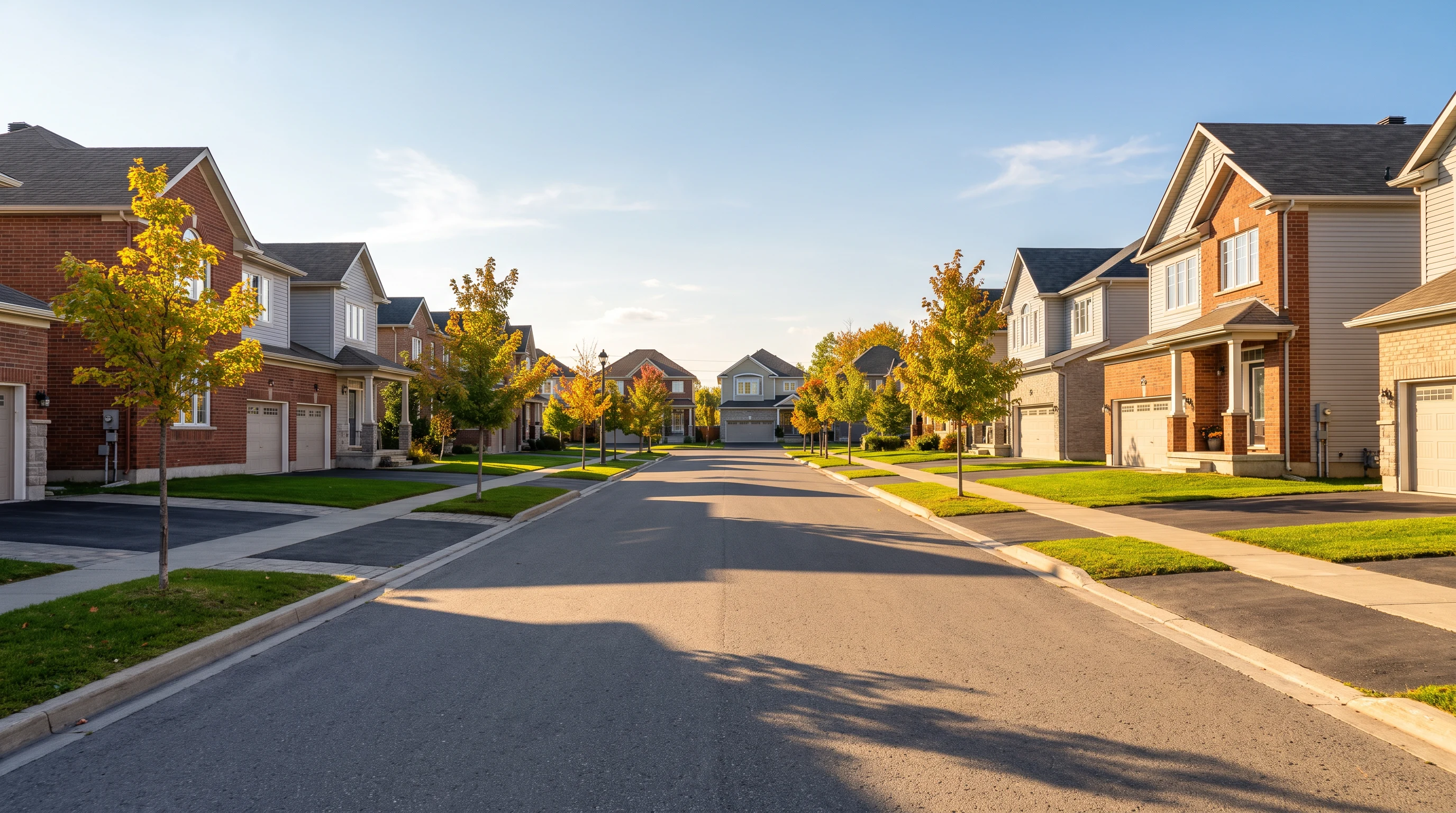
Newer master-planned community in the south end of Orleans, built out in phases since the late 1990s across four sub-areas. Modern builds and a growing commercial base.
Avalon homes for sale →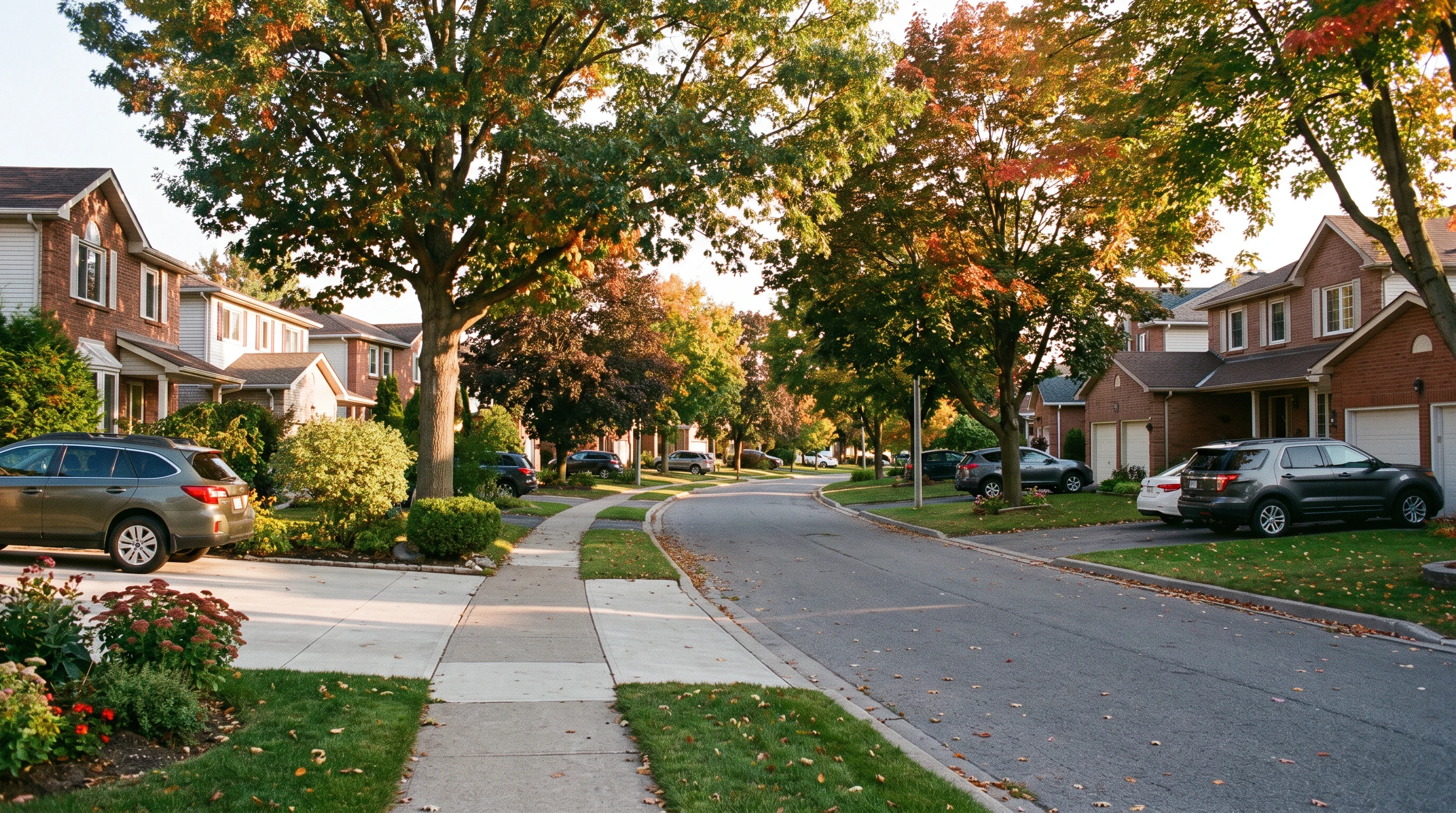
Fallingbrook
Family homes built from 1985 onward on established streets. The widest housing mix in Orleans, with condos through detached all in one community, and good value.
Fallingbrook homes for sale →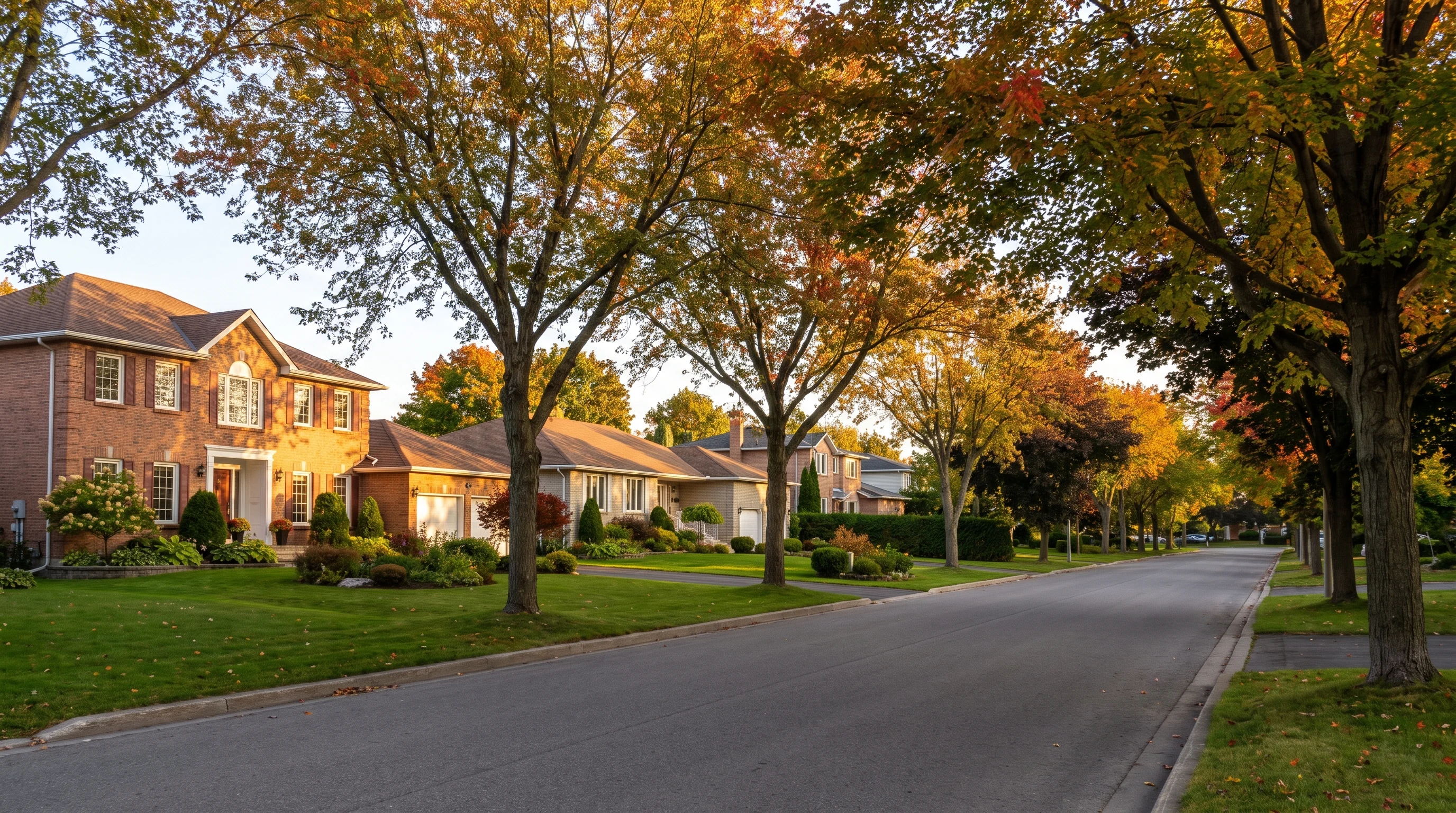
Chapel Hill
Some of the largest lots in Orleans, with the Greenbelt forming the western edge. Spacious two-storey homes and bungalows on mature, quiet residential streets.
Chapel Hill homes for sale →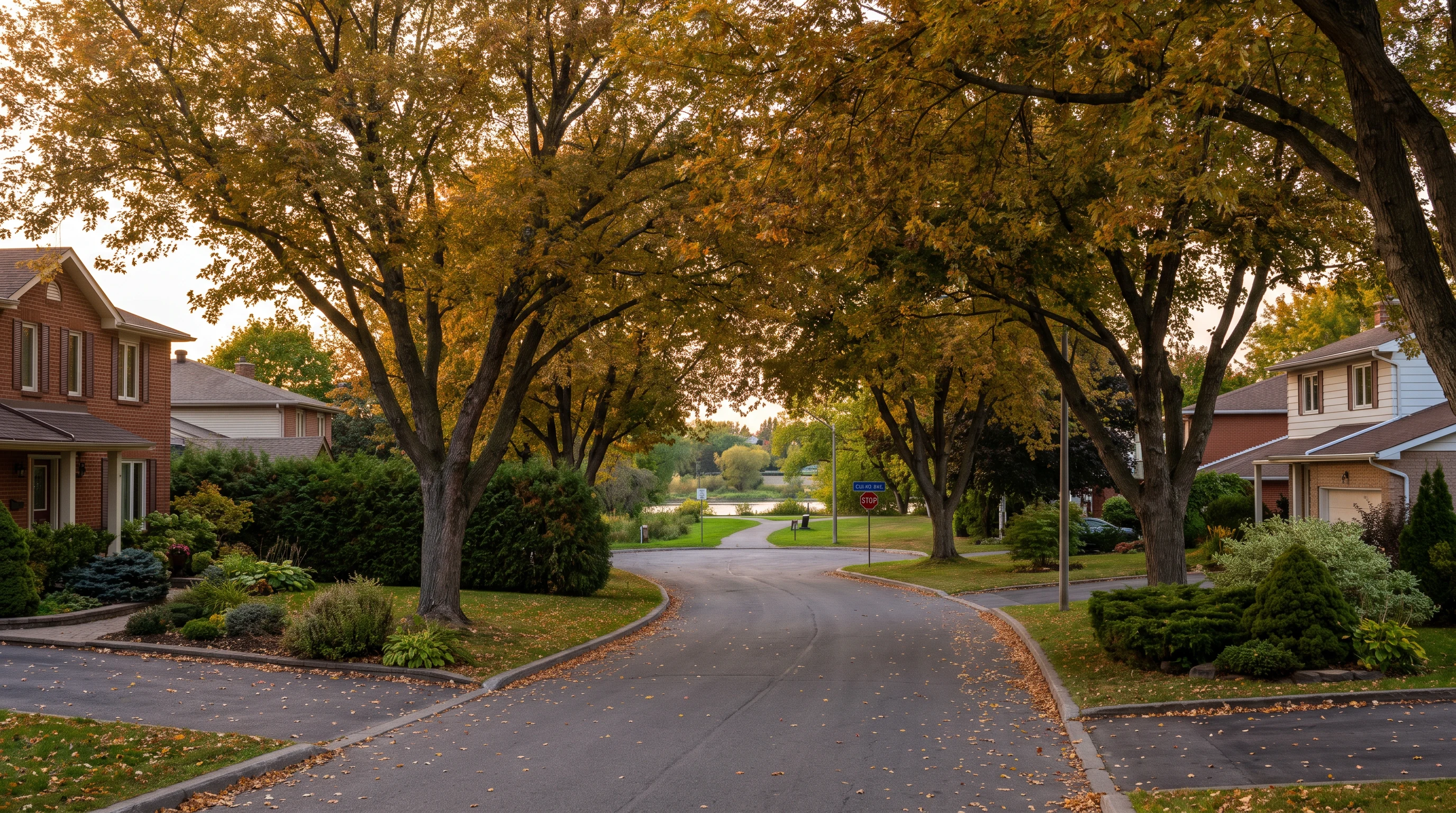
Convent Glen
One of the original Orleans communities, built through the 1970s and 1980s. Older homes on generous lots near the river pathway, and often the best value in the district.
Convent Glen homes for sale →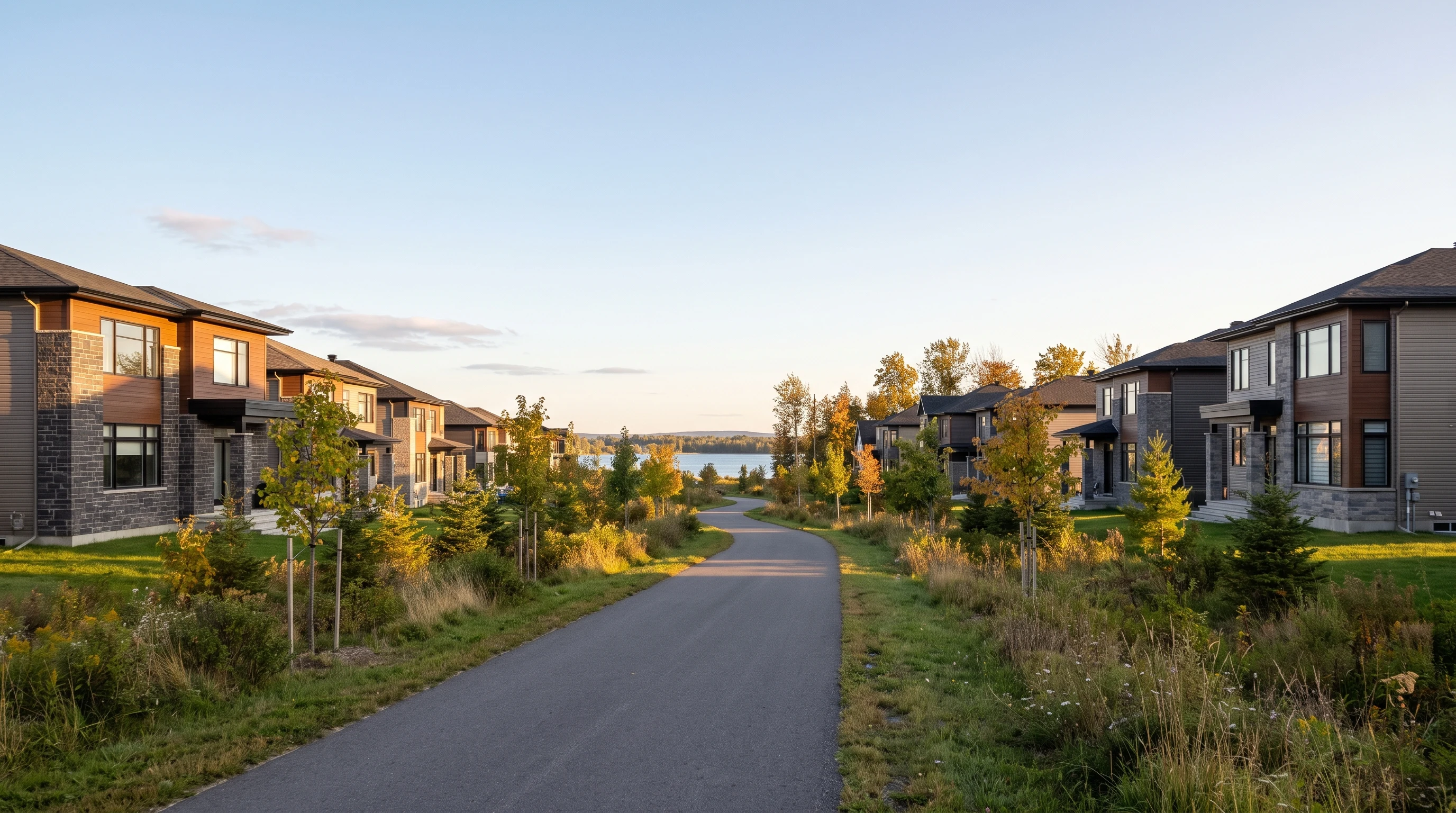
Cardinal Creek
Newer riverside community at the eastern end of Orleans. Contemporary detached homes in a more natural setting, with LRT access within walking distance of many homes.
Cardinal Creek homes for sale →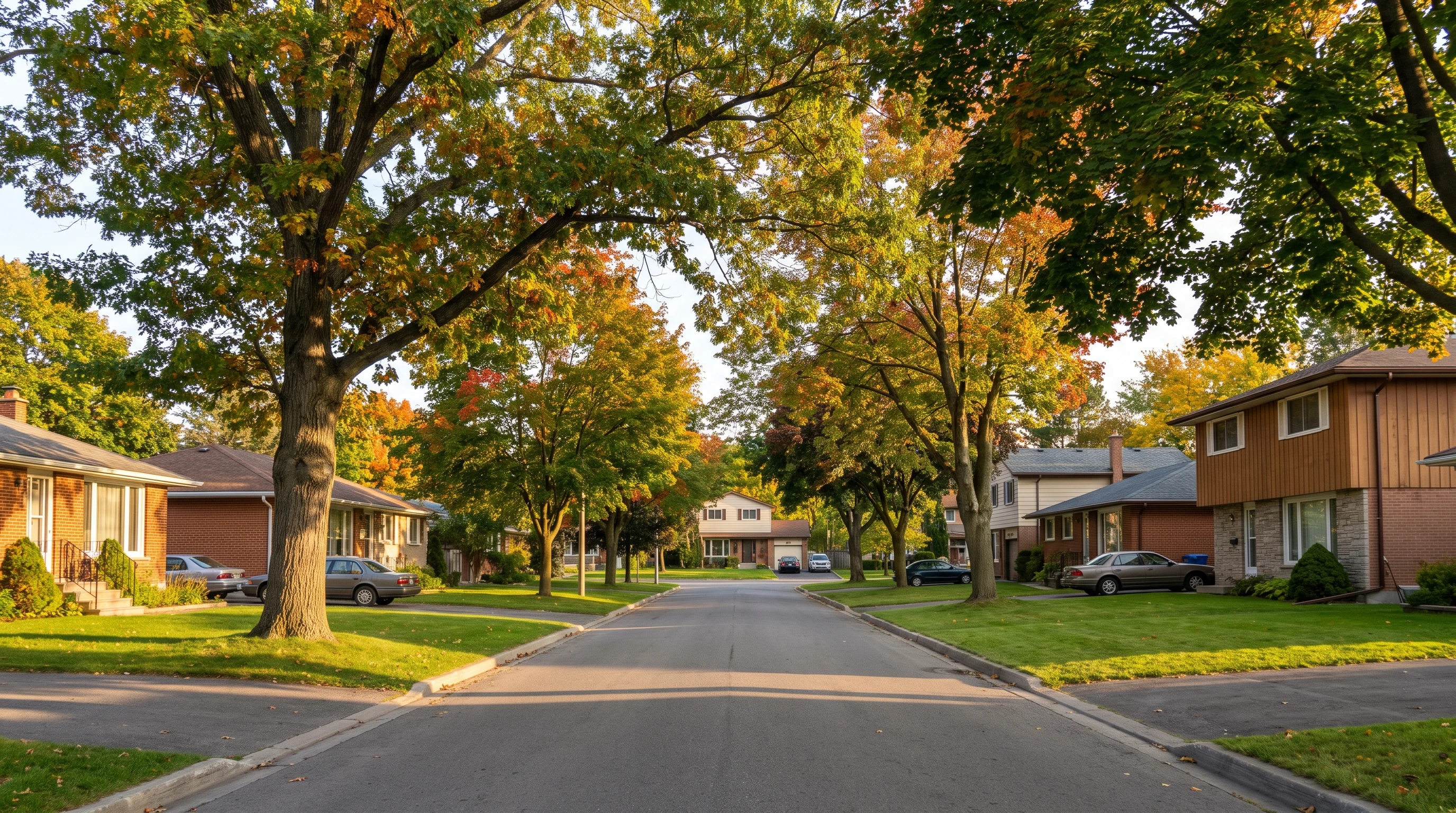
Queenswood Heights
Long established, with mature trees and the deepest bungalow supply in Orleans. Closest to Place d'Orleans and the Innes Road shopping corridor.
Queenswood Heights homes for sale →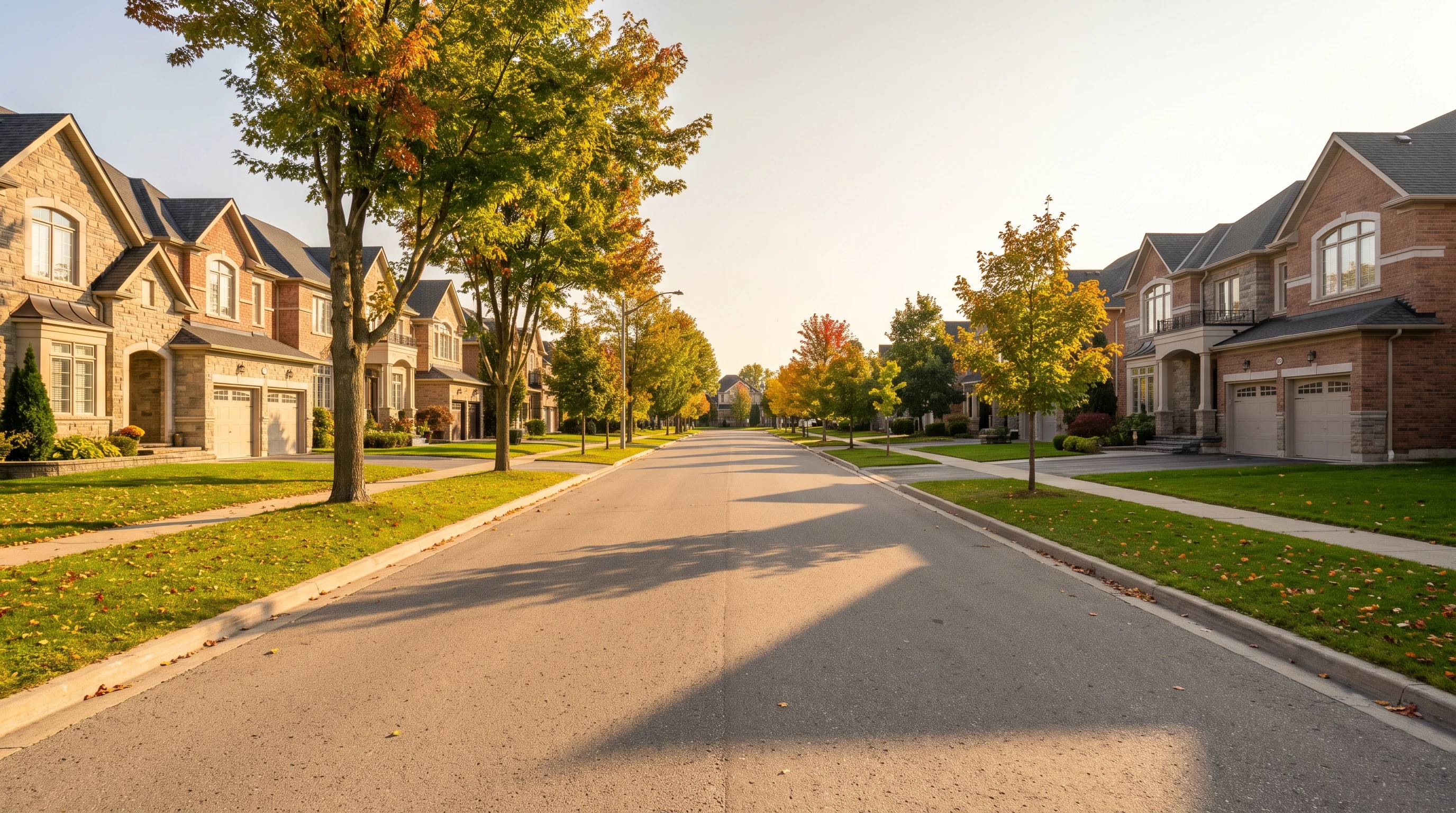
Notting Hill
Larger executive-style homes on generous lots in a quiet, established setting. A smaller pocket, so inventory is thinner than elsewhere in Orleans.
Notting Hill homes for sale →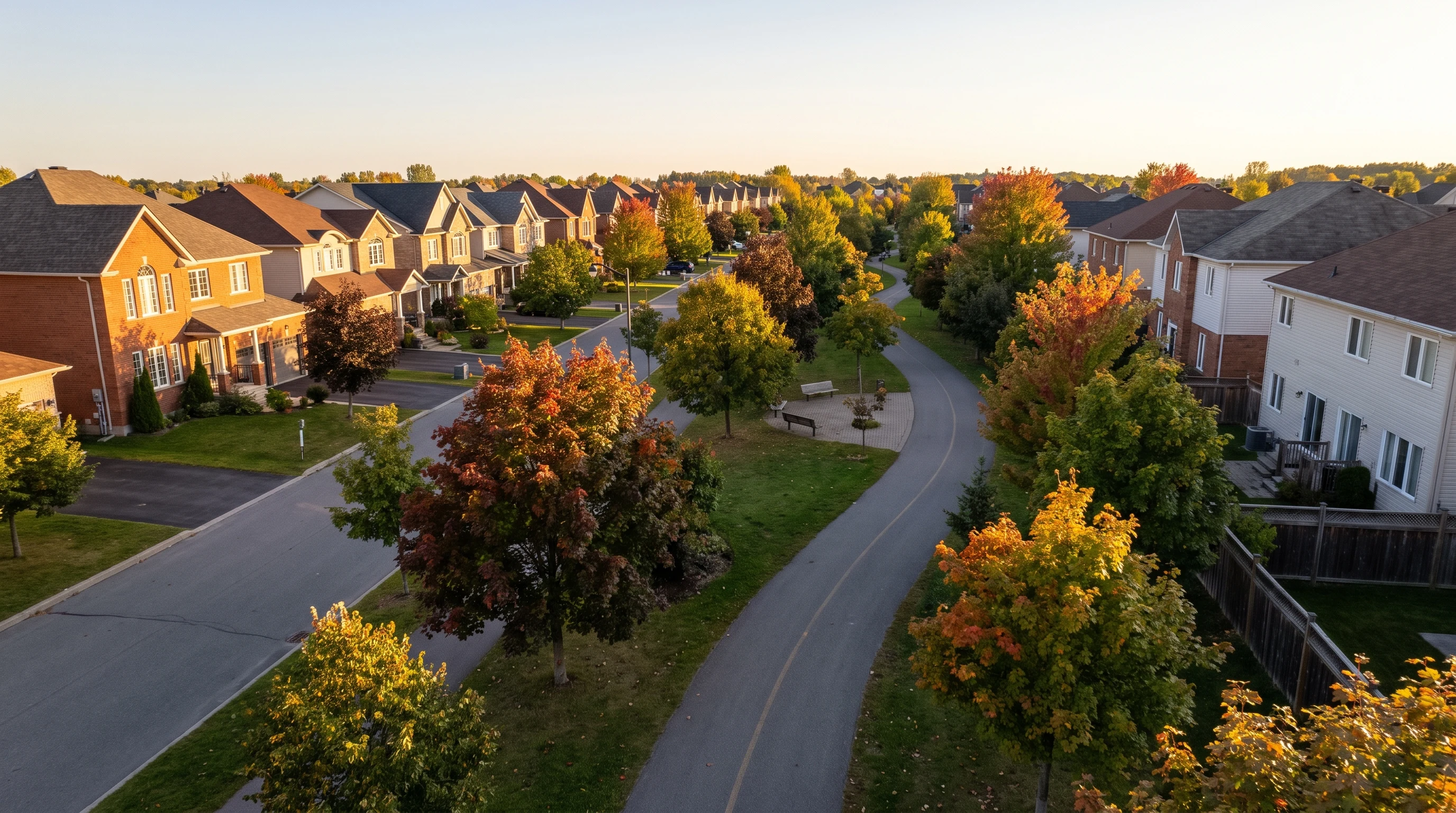
Spring Ridge
An established pocket within the Cardinal Creek area, built around an integrated walking and bike path network with parks and family-friendly streets.
Spring Ridge homes for sale →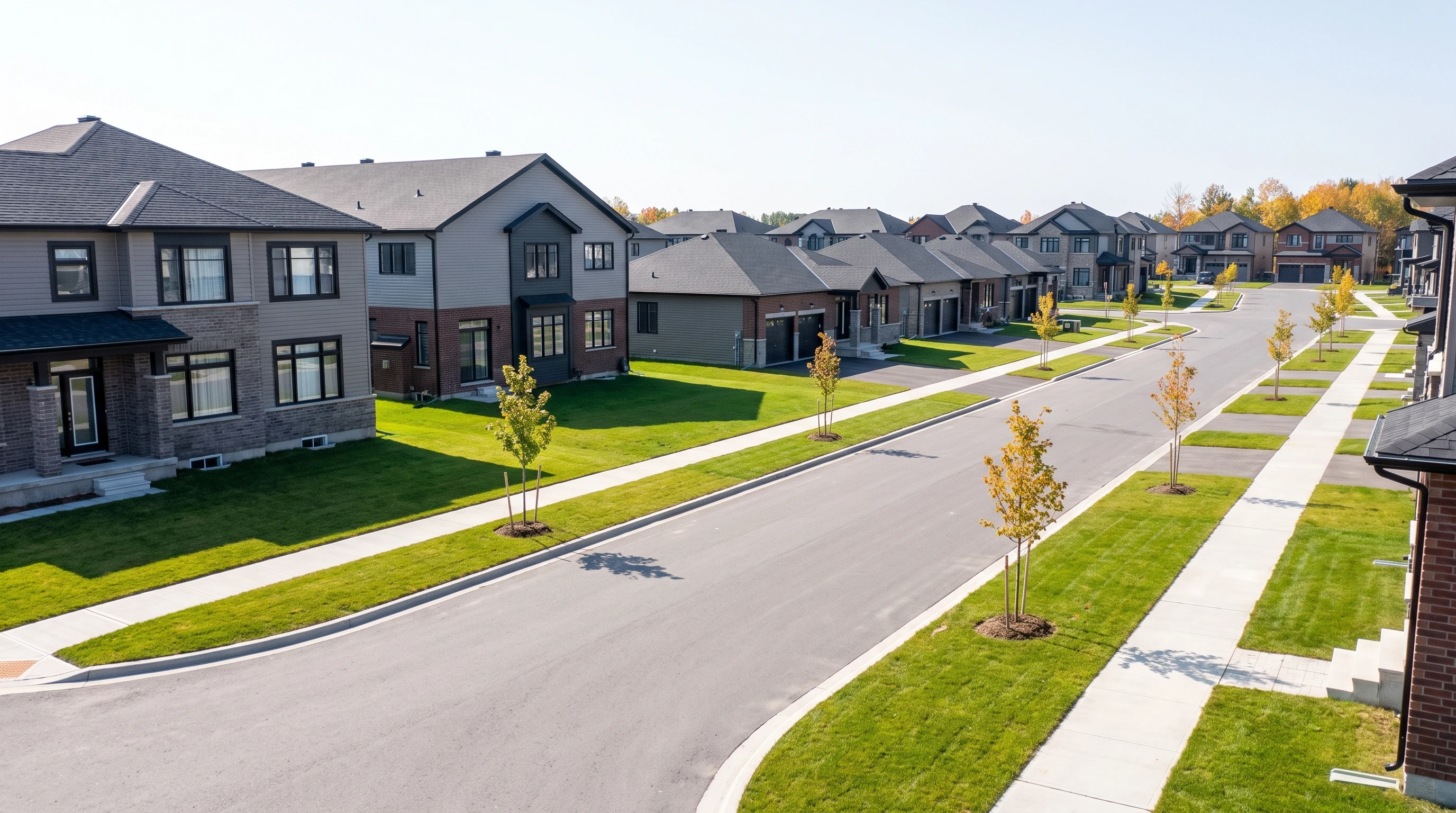
Trailsedge
The newest housing stock in Orleans. A Richcraft community built between 2016 and 2024, bordered by Brian Coburn, Mer Bleue and Renaud, with quick Highway 417 access.
Trailsedge homes for sale →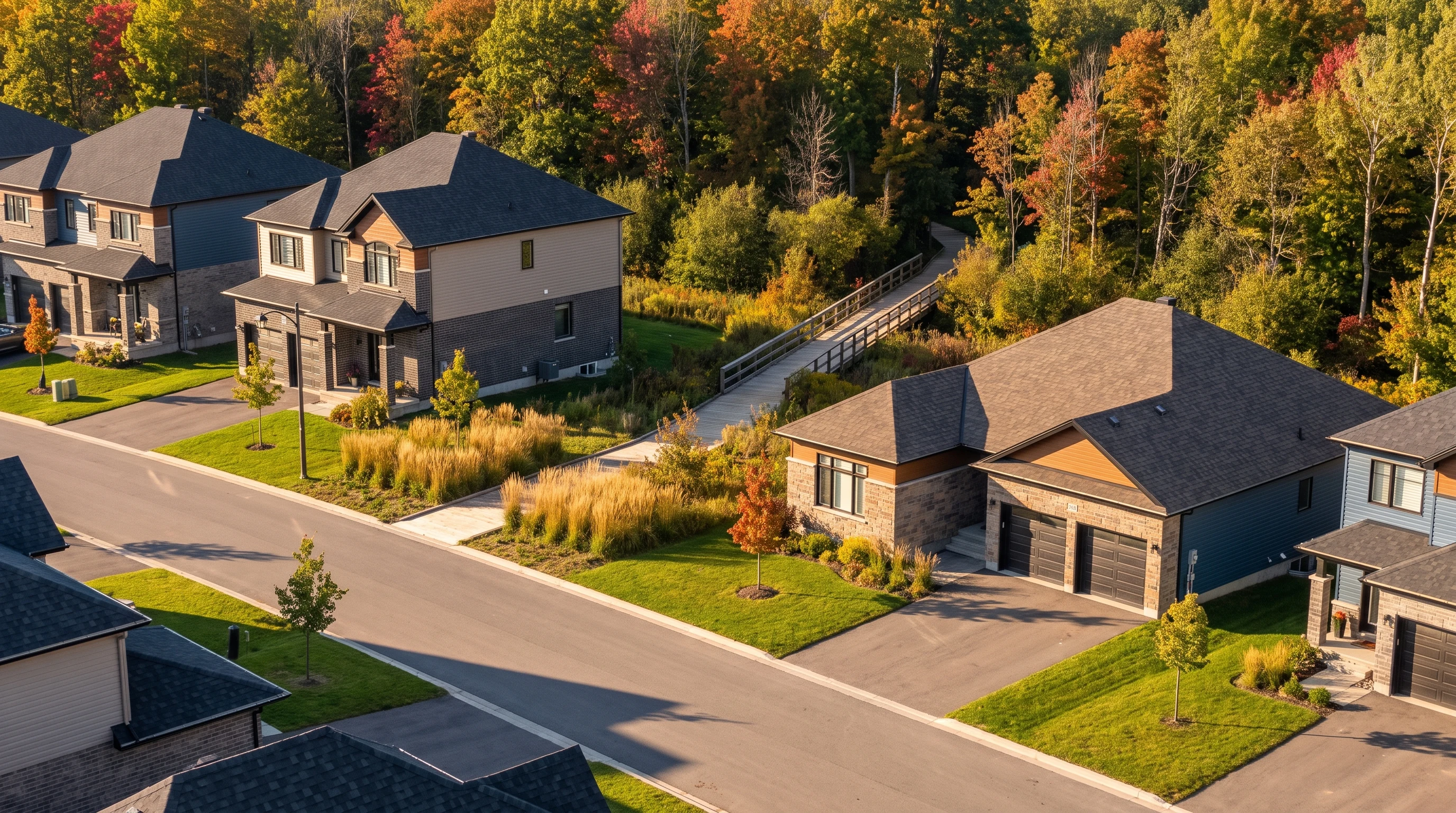
Bradley Estates
Valecraft-built two-storey homes and bungalows backing directly onto the Mer Bleue Conservation Area. About 20 minutes to downtown, quicker than much of Orleans.
Bradley Estates homes for sale →A note on Blackburn Hamlet: it is often grouped with Orleans, and residents there frequently look east for shops and amenities, but it is a distinct community with its own history and community association. It sits west of Orleans, surrounded by Greenbelt, and was part of the former City of Gloucester before amalgamation. Worth knowing if a listing describes it as Orleans.
Who Tends to Love Orleans
Orleans is not the right fit for everyone, but for the right buyer it is hard to beat. Here is who tends to settle here and why.
Growing Families
Big lots, good schools, hockey arenas within a short drive, and enough square footage to actually fit a family without stacking on top of each other. Kids grow up with backyards here.
First-Time Buyers
Orleans is one of the few places in Ottawa where first-timers can still get into a detached home. You will spend more on gas and less on mortgage. For many buyers, that math works out.
Francophone & Bilingual Families
Strong French school options through both the French public and French Catholic boards, plus widely available immersion, make Orleans a natural home base for bilingual households.
Federal Government Employees
With the O-Train east extension and reasonable commute times, many public servants have planted roots in Orleans. The commute is manageable and the cost savings are real.
Move-Up Buyers
Families outgrowing a condo or townhouse often land in Orleans when they want more space without a dramatic jump in price. It is a practical next step in a lot of Ottawa real estate stories.
Downsizers
Queenswood Heights and Chapel Hill hold most of the resale bungalows, and Trailsedge offers rare new-build single-level options. See our Orleans bungalows page.
Schools in Orleans
Schools are often the deciding factor for families considering Orleans, and it delivers. All four Ottawa-area boards serve the community, which is unusual even by Ottawa standards.
-
English
Cairine Wilson Secondary SchoolOne of Ottawa's larger public high schools, serving much of the east end.
-
English
Sir Wilfrid Laurier Secondary SchoolEnglish public secondary serving the Fallingbrook area and surrounding communities.
-
Catholic
St. Peter Catholic High SchoolEnglish Catholic secondary with a long-established presence in Orleans.
-
English
Avalon & Summerside Public SchoolsBoth anchor the Avalon community, popular with the many young families there.
-
French
CEPEO and CECCE schoolsFrench public and French Catholic boards both have a strong Orleans presence, including French-language secondary options.
-
Immersion
Widely available immersionFrench immersion runs through both English boards and is open to any family, no French-language rights required.
Confirm the catchment. Four boards each draw their own boundaries over the same geography, and those boundaries change. A home can be in a strong catchment for one board and an unremarkable one for another. Never rely on what a listing says. Our guide to schools in Orleans covers this in detail.
Parks & Getting Outside
Orleans has more green space than its suburban reputation suggests. It backs onto the Ottawa River to the north and has a network of paths and parks woven through it.
- Petrie Island Beach, one of the few sandy beaches accessible within city limits
- The Ottawa River Pathway, for cycling and walking along the river's edge
- Mer Bleue Conservation Area boardwalks on the southern edge, backing onto Bradley Estates
- Millennium Park, with soccer fields and a running track
- The Ray Friel Recreation Complex and François Dupuis Recreation Centre, both with pools and arenas
- Multiple community skating rinks maintained through winter
Petrie Island specifically is worth knowing about if you have kids. A sandy beach on the Ottawa River, free to access, with a boat launch and walking trails. It genuinely surprises people who did not know it existed.
The Shenkman Arts Centre also brings theatre, music and classes to the east end, which is a real advantage over suburbs that empty out culturally after 6pm.
Getting Around Orleans
Transit has improved significantly with the O-Train east extension. Here is an honest picture of how people actually get around.
O-Train East Extension
Light rail now reaches into Orleans, with Trim Road at the eastern end of the line. Cardinal Creek in particular sits within walking distance of station access, which is unusual for a community that far east.
OC Transpo Bus
Regular routes feed into the rail stations and connect internal Orleans destinations. Within the community, buses run frequently along St. Joseph Boulevard, Innes Road and other main corridors.
By Car
Highway 174 connects Orleans to the downtown core and the 417. Off-peak the drive is 20 to 35 minutes depending where you live. Rush hour stretches that. Most Orleans households have two vehicles.
On walkability: it varies a lot by community, and the honest answer is not "yes" or "no." Queenswood Heights and Convent Glen put daily errands within reach on foot. Chapel Hill and the outer eastern communities are genuinely car-dependent. Worth being realistic about which you need before you choose a street.
Shops, Restaurants & Everyday Life
Orleans is well served for day-to-day needs. Place d'Orléans Shopping Centre anchors the commercial area with a full grocery complement. Innes Road and St. Joseph Boulevard are lined with restaurants, coffee shops and service businesses that cover most daily needs without leaving the east end.
The dining scene leans family-friendly and casual. You will find solid Vietnamese, Lebanese and Greek spots alongside the usual Canadian standbys. It is not the Glebe for restaurant density, but most residents are not driving across town for dinner on a Tuesday.
The Orleans Farmers' Market, seasonal from roughly May through October, is a genuine community gathering point and worth knowing about. Local produce, baked goods and the occasional live music, with a neighbourhood feel that bigger markets sometimes lose.
Real Estate Market Snapshot
Orleans has seen steady price appreciation over the past decade, driven partly by the rail expansion and partly by broader Ottawa demand. It remains one of the more affordable areas for detached homes within the city's boundaries.
- Condos generally start in the $400,000s depending on size and building
- Townhomes, freehold and condo, typically run from the $400,000s to the low $600,000s
- Detached homes in established communities usually sit between $550,000 and $900,000
- Newer builds in Trailsedge, Cardinal Creek and Avalon West command a premium
- Older sections like Convent Glen and Fallingbrook offer more character for less money
Prices move month to month, so treat these as orientation rather than gospel. For current figures, see the Ottawa market updates or ask for a snapshot on the specific community you are considering.
For current listings, see all homes for sale in Orleans.
Questions People Ask About Orleans
Straightforward answers to the things buyers most commonly want to know before committing to the east end.
Explore Other Ottawa Neighbourhoods
Comparing a few communities before you decide is smart. Here are some other areas worth looking at.
Or browse the full Ottawa neighbourhoods overview to compare communities side by side. New to the city entirely? Our moving to Orleans guide covers the practical side of relocating.